
Key drivers behind USD/JPY volatility in 2025 are shaping one of the most actively traded currency pairs in the forex market. The USD/JPY pair has always drawn attention due to the economic significance of both the United States and Japan. In 2025, traders are witnessing heightened volatility in this pair, driven by a mix of global economic conditions, monetary policies, and geopolitical risks. Understanding these factors is essential for anyone navigating the markets.
1. Diverging Monetary Policies
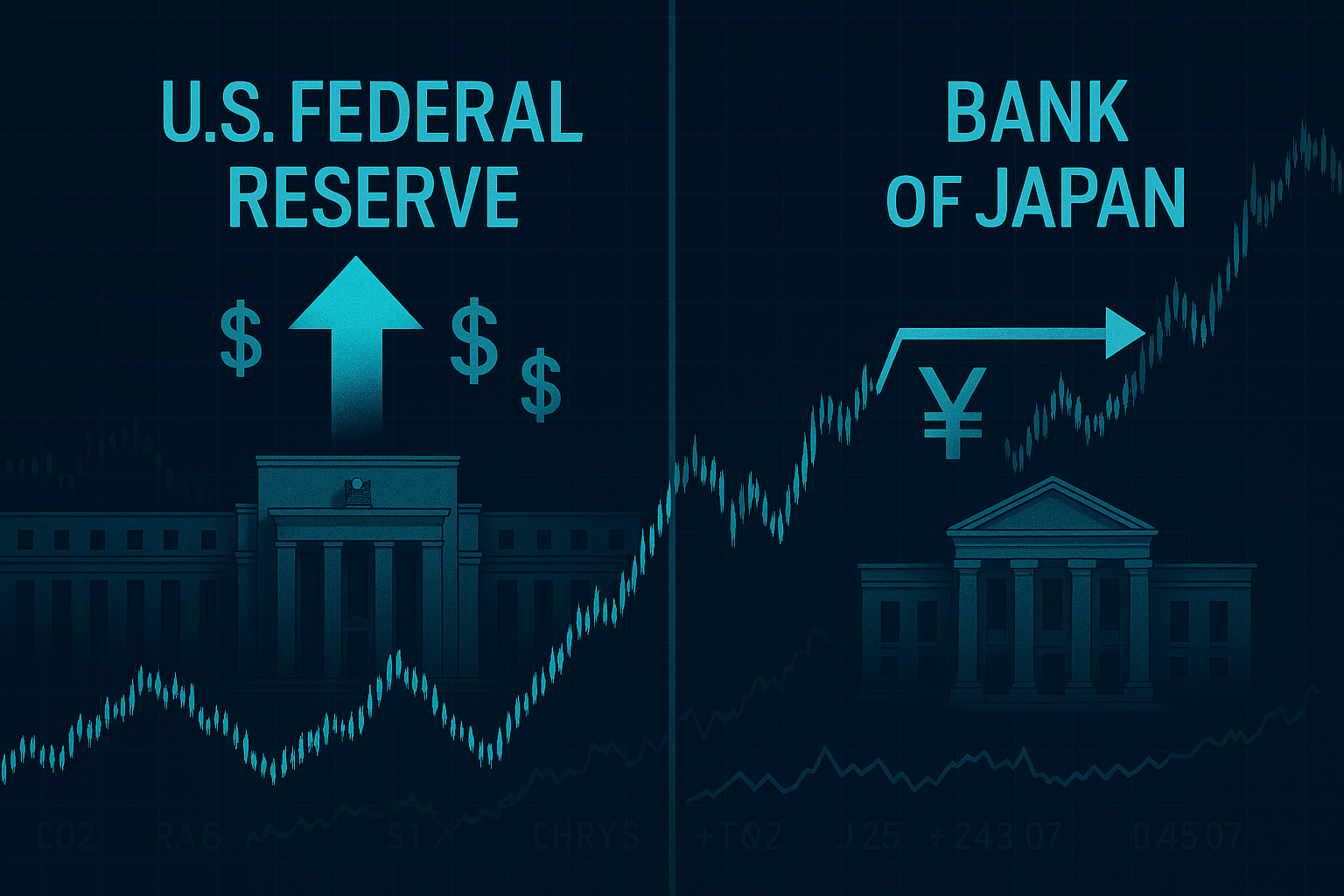
The Federal Reserve and the Bank of Japan (BoJ) continue to take opposite approaches in 2025. While the Fed remains focused on inflation control and steady interest rate hikes, the BoJ has cautiously started moving away from ultra-loose monetary policy but still maintains lower rates compared to the U.S. This divergence keeps the dollar stronger relative to the yen, fueling volatility whenever policy announcements or central bank statements are made.
2. U.S. Economic Performance
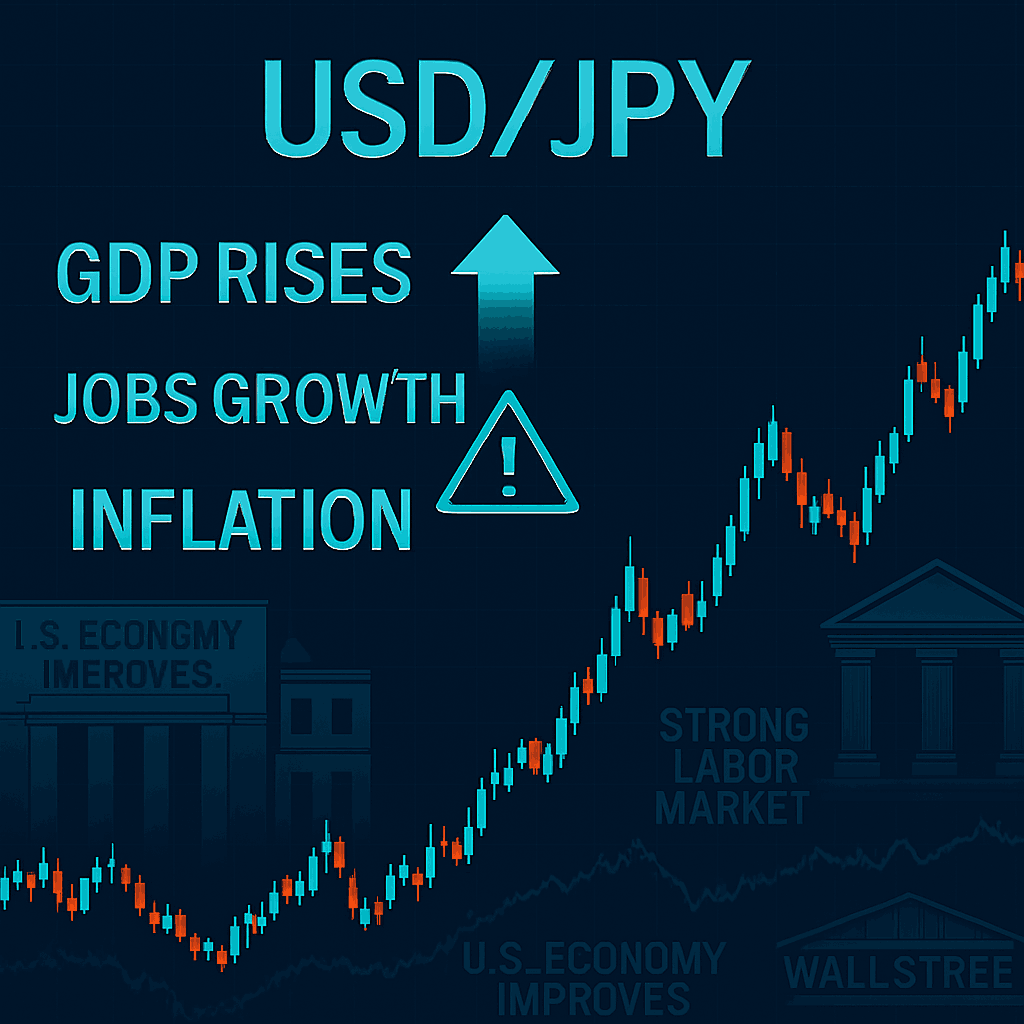
Robust U.S. job growth and consumer spending have supported the dollar, but lingering concerns about inflation and government debt add uncertainty. Every new set of economic data ranging from GDP releases to unemployment figures tends to create sharp moves in USD/JPY as traders reassess the Fed’s policy trajectory.
3. Japan’s Economic Transition

Japan’s economy in 2025 is experiencing gradual recovery from years of deflationary pressure. Efforts to stimulate domestic demand and reduce reliance on exports are ongoing. However, challenges like wage stagnation and demographic pressures create uncertainty. Any signs of stronger-than-expected growth or inflation in Japan could boost the yen and create volatility against the dollar.
4. Global Risk Sentiment

The yen traditionally serves as a safe-haven currency. When global markets experience uncertainty such as geopolitical tensions in Asia, U.S.-China trade shifts, or unexpected financial market shocks investors tend to flock to the yen. In 2025, risk sentiment remains fragile due to conflicts in global supply chains, making USD/JPY highly sensitive to sudden headlines.
5. Energy Prices and Trade Balances

Japan is heavily dependent on imported energy, while the U.S. benefits from strong energy production. Rising oil and gas prices in 2025 have pressured Japan’s trade balance, often weakening the yen. Conversely, if energy prices drop, the yen can strengthen. These fluctuations directly influence USD/JPY volatility.
6. AI and Algorithmic Trading Impact

With more hedge funds and retail traders relying on AI-driven algorithms, USD/JPY sees sharper intraday swings. Automated systems often react instantly to economic data or geopolitical headlines, amplifying short-term volatility that might not have occurred in traditional trading environments
Conclusion

In 2025, USD/JPY volatility is shaped by a complex mix of monetary policy divergence, economic performance, risk sentiment, and technological shifts in trading. For traders, staying updated on central bank announcements, global economic indicators, and geopolitical developments is crucial to navigating the pair effectively. While volatility presents challenges, it also offers opportunities for disciplined and well-informed forex traders.