When it comes to forex trading, very few factors have as much influence as the Federal Reserve (Fed). While interest rate decisions themselves can drive significant moves, it’s often Fed forward guidance , their communication about future monetary policy that creates even more volatility in the forex market. Traders closely watch every word, phrase, and tone from Fed officials, because these signals can shape expectations, reposition portfolios, and move the U.S. dollar against major pairs.
In today’s globalized financial world, forward guidance has become a cornerstone of monetary policy strategy, and forex traders who ignore it risk missing key drivers behind price movements.
What Is Forward Guidance?
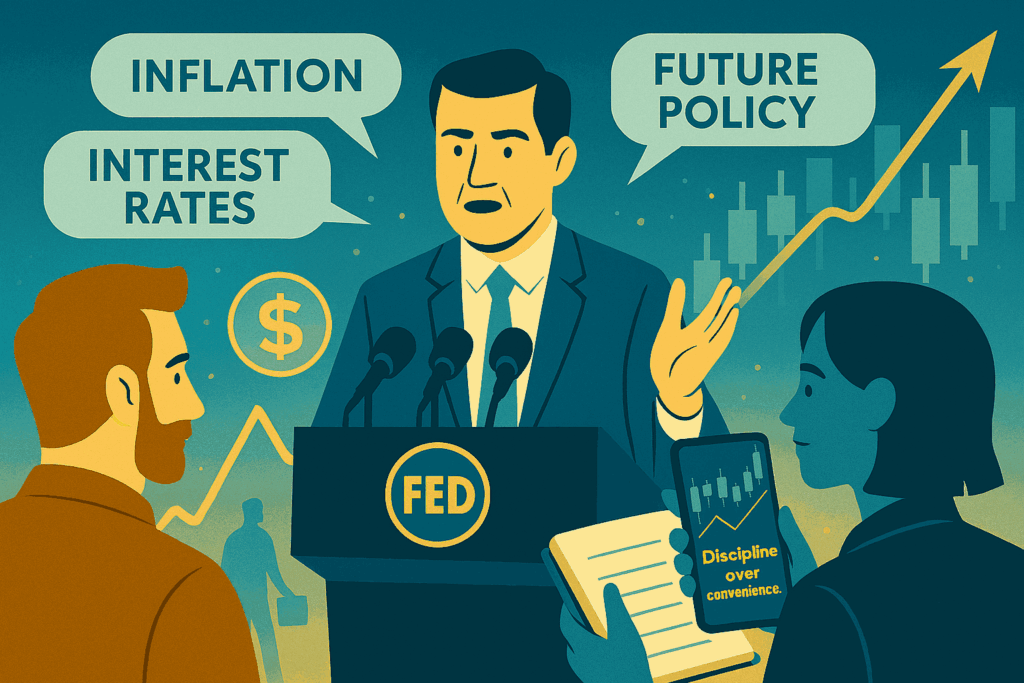
Forward guidance is the Fed’s communication about the likely direction of its future policies, particularly concerning interest rates and balance sheet adjustments. Instead of waiting for actual rate hikes or cuts, traders and investors react to the Fed’s statements, press conferences, and meeting minutes to anticipate what’s next.
For instance, if the Fed hints that inflation remains sticky and rates may need to stay higher for longer, the market tends to price in a stronger USD. On the other hand, dovish signals suggesting easing conditions often weaken the dollar as traders anticipate future cuts.
Why It Matters in Forex
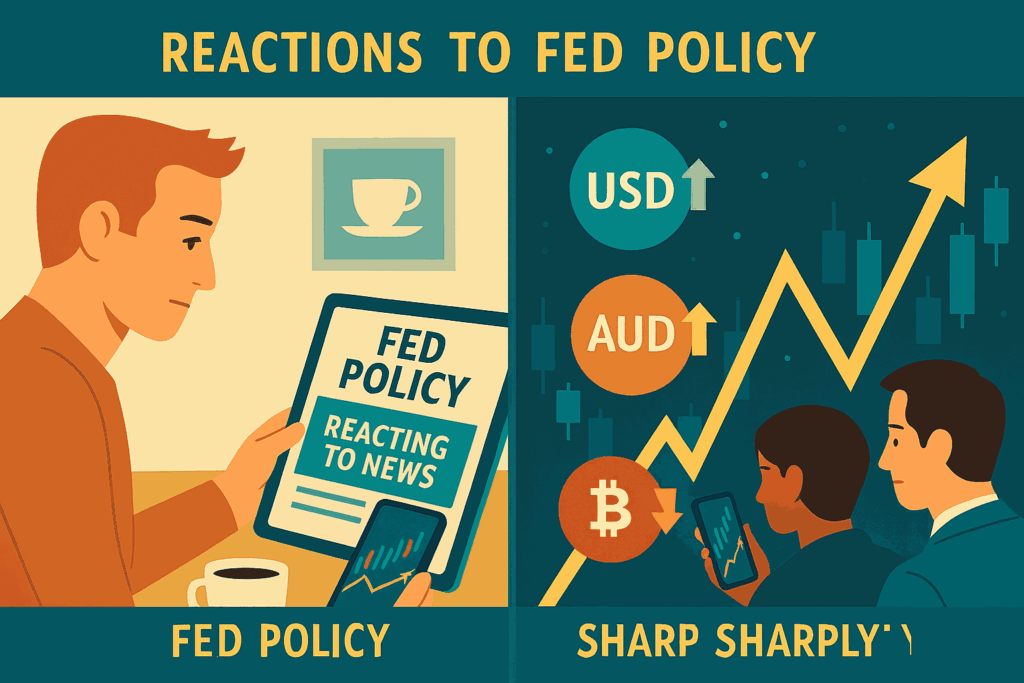
- Expectation Drives Action – Forex markets are forward-looking. Traders don’t wait for rate moves to happen; they price in expectations based on Fed guidance.
- Shaping Risk Sentiment – Fed guidance doesn’t just impact the dollar. It influences global risk appetite. Hawkish signals often boost USD while weighing on risk-sensitive currencies like AUD or emerging market pairs.
- Immediate Impact on Volatility – Even subtle language shifts can cause sharp intraday volatility. Phrases like “data-dependent” or “prolonged period” have historically moved markets in minutes.
Historical Examples
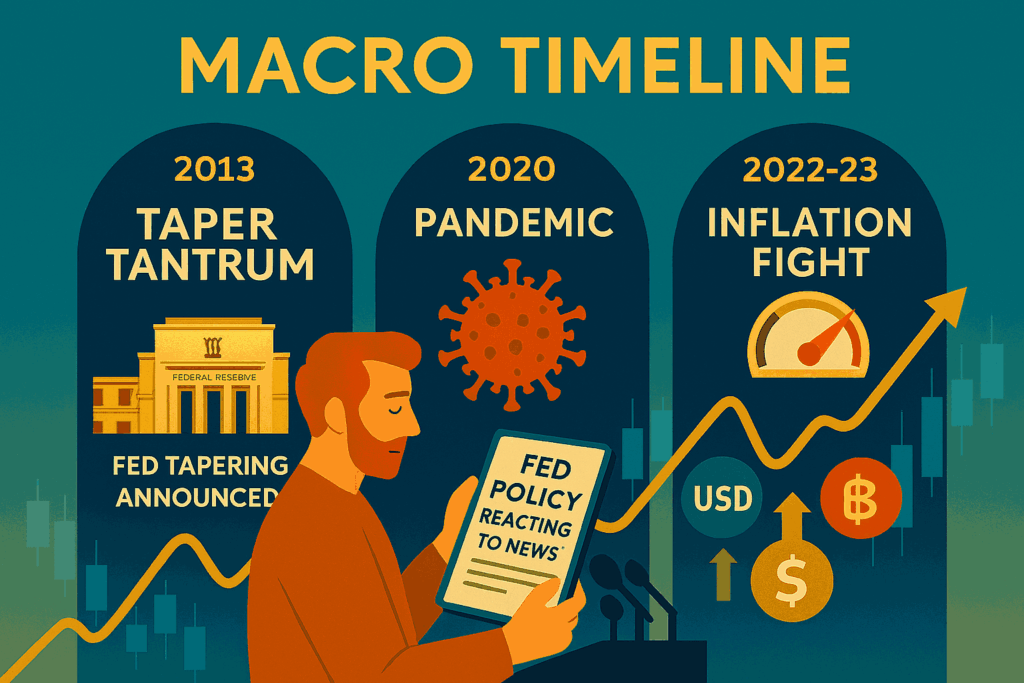
- 2013 Taper Tantrum: When the Fed first hinted at slowing its bond purchases, emerging market currencies sold off sharply, and USD strength surged.
- 2020 Pandemic Guidance: The Fed signaled near-zero rates for an extended period, pushing traders into riskier assets while weighing down the dollar.
- 2022–2023 Inflation Fight: Hawkish forward guidance helped fuel USD rallies, particularly against JPY and GBP.
These examples underline how forward guidance often moves markets more than actual decisions.
How Traders Can Use Forward Guidance
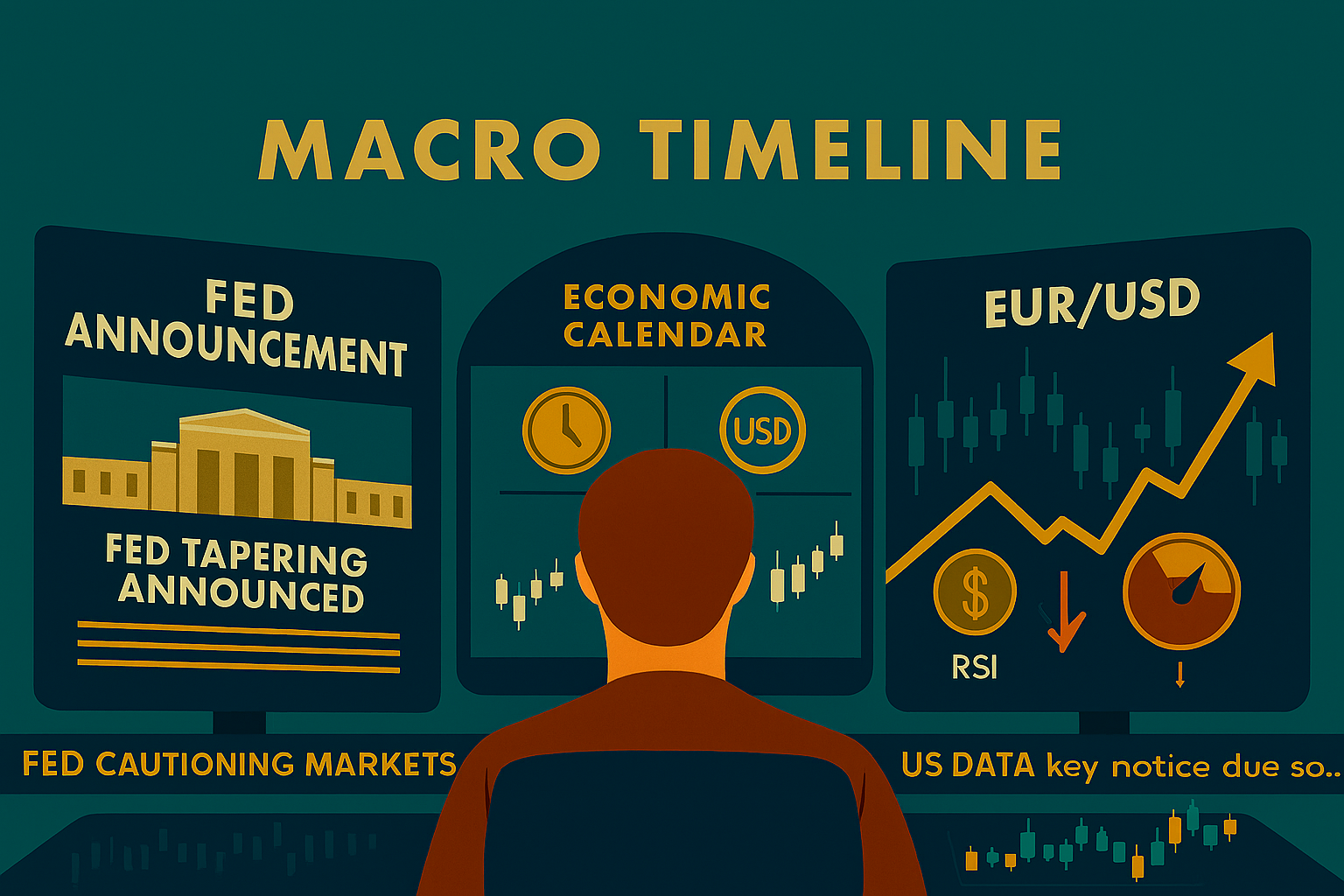
- Follow Fed Speeches Closely – Pay attention to FOMC pressers, Fed minutes, and public statements by voting members.
- Watch Market Reactions – Compare the Fed’s statements with what markets were expecting. Surprises hawkish or dovish create the biggest moves.
- Pair It With Technicals – Use guidance-driven volatility with chart patterns and technical indicators for better entry and exit points.
- Focus on Key Pairs – USD pairs like EUR/USD, USD/JPY, and USD/CHF react the most strongly to Fed tone shifts.
Risks of Misreading Guidance
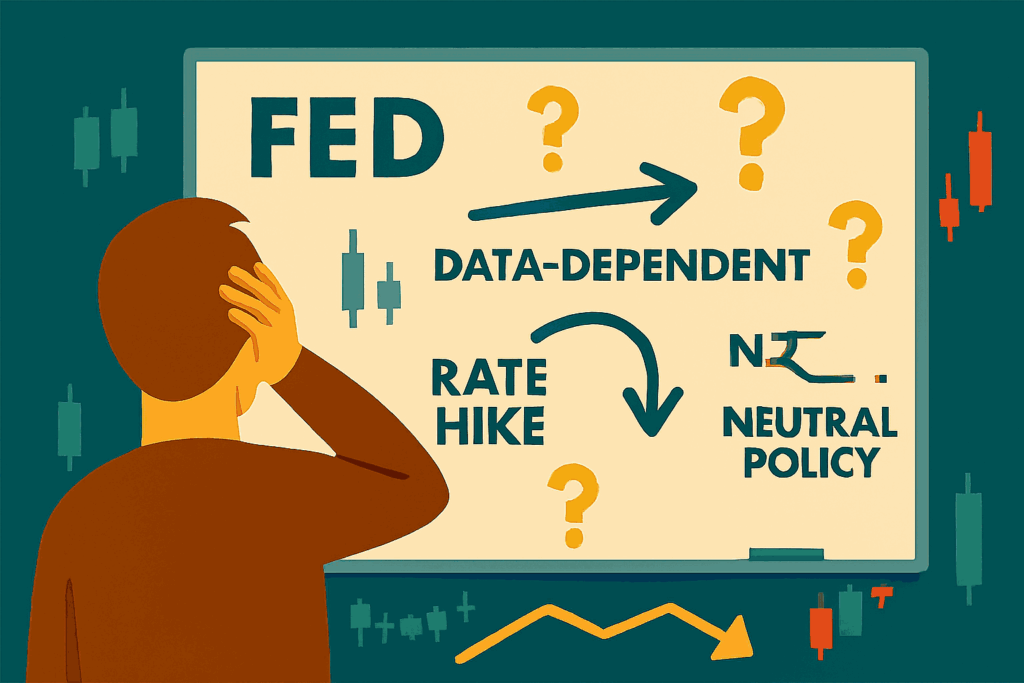
Forward guidance is not a guaranteed roadmap. Fed officials often leave room for flexibility, describing policy as “data-dependent.” Traders who overcommit to one interpretation risk getting caught offside when new data changes the Fed’s outlook.
Final Thoughts
Fed forward guidance is one of the most powerful tools shaping forex markets. It influences trader psychology, global capital flows, and the relative strength of the U.S. dollar. By carefully tracking guidance, forex traders can position themselves ahead of major moves rather than reacting after the fact.
In 2025, with inflation dynamics, global growth uncertainty, and geopolitical risks in play, forward guidance will remain one of the most important market-moving forces to watch.